
Buying a Eugene home with a buried heating oil tank is manageable, not a deal-breaker. The tank needs decommissioning by an Oregon DEQ-licensed service provider, and you want that handled before closing or priced into your offer. Whether the seller pays or you negotiate a credit depends on contamination, timing, and your lender.
Why so many older Eugene homes still have a tank in the yard
A lot of the Lane County housing stock went up before the 1970s, when heating oil was the default and a steel tank in the side yard or basement was standard. As homes converted to gas and electric heat, plenty of those tanks were simply left in the ground, sometimes filled, often just disconnected and forgotten. That is why a buried tank shows up so regularly on inspections in the pre-war and mid-century pockets of the city.
It is most common in the older neighborhoods. Homes around the Whiteaker, College Hill, the Friendly area, and the blocks near the University of Oregon are prime candidates, and University-area rentals are a frequent surprise because absentee owners rarely tracked the tank history. The giveaway is usually a capped fill pipe and a thin vent pipe poking up near the foundation, or a copper line stub where an old oil furnace once stood.
Confirm the tank during your inspection contingency
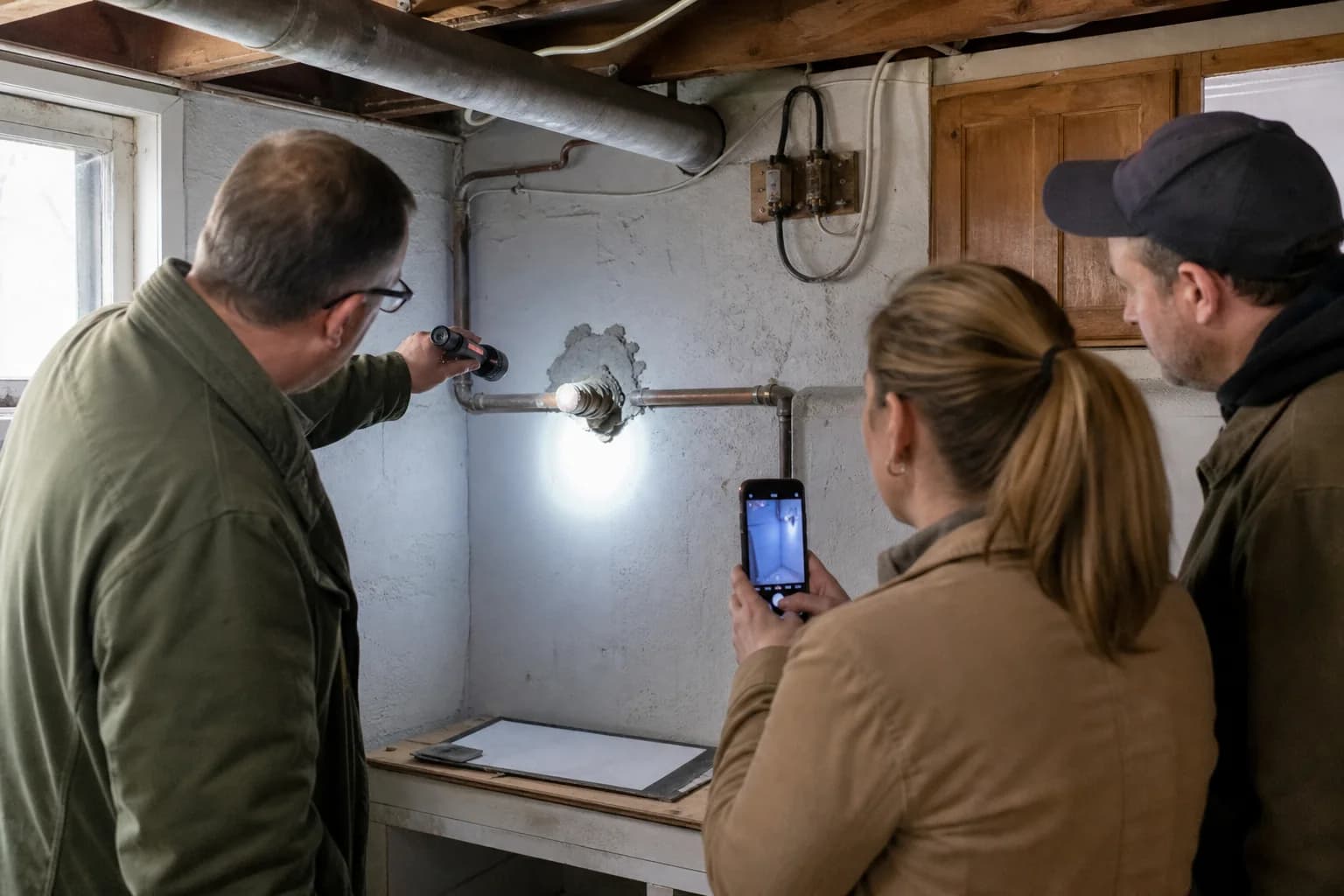
Your inspection window is the time to nail this down, while you still have the leverage to renegotiate or walk. A general home inspector will flag the obvious signs, but confirming the tank and its condition is a job for a licensed specialist who can scan the yard and probe for the tank. If you book underground oil tank removal, the same crew can tell you the tank size, whether it was ever decommissioned, and what removal would cost.
Signs you are looking at a buried oil tank rather than something harmless:
- A capped metal fill pipe and a slim vent pipe near the foundation, often painted over.
- A copper or black-iron supply line stub at the old furnace or water-heater location in the basement.
- Oil staining or a faint petroleum smell on basement concrete near where the line entered.
- A patch of settled or discolored ground in the side yard where the tank sits.
- Listing photos or disclosures that mention former oil heat with no decommissioning paperwork.
What DEQ decommissioning actually involves
Decommissioning is done by a DEQ-licensed Heating Oil Tank Service Provider, not a general handyman. The crew pumps and cleans the tank, then either pulls it out of the ground or cleans and fills it in place, and takes soil samples around it to check for leaks. The provider compiles a decommissioning report with the lab results and submits the certification to DEQ through Your DEQ Online, and DEQ then issues a letter to the owner registering that certification. That letter is the document your lender and title company will ask for.
The state walks buyers and sellers through this on the Oregon DEQ Buying or Selling a Home with a Heating Oil Tank page, which is worth reading before you write your offer. The program is technically voluntary, but the certification is what closes the property file, so on the seller side it follows the same logic laid out in our guide to transferring a Eugene property with a tank. Knowing that timeline helps you set a realistic closing date.
Who pays, and how to negotiate it
There is no fixed rule about who covers decommissioning, so it becomes part of the deal. The two cleanest structures are the seller completing the work and delivering the DEQ certificate before closing, or the seller issuing a closing credit so you arrange it yourself after move-in. Either way, put the specifics in writing.
- Name who hires the DEQ-licensed provider and who holds the contract.
- State that the seller delivers the DEQ certification letter before or at closing.
- Spell out what happens to price and timeline if soil sampling reveals contamination.
- Confirm with your lender and insurer in writing that the certificate satisfies them.
If the soil samples come back contaminated
Do not panic if the report flags heating oil in the soil. Residential tank leaks in the Eugene area are usually handled as a homeowner-scale cleanup, where the provider excavates the affected soil, disposes of it properly, and documents the work in a cleanup report under the same DEQ program. The certification at the end functions as a no-further-action close on the file. It costs more and adds time, but it is a routine outcome, not a reason to walk by default. The real risk is closing without knowing, which is exactly what the inspection contingency protects you from.
A closing checklist for Eugene buyers
- Confirm the tank and its condition with a licensed provider during the inspection window.
- Decide who pays and capture it in the purchase agreement, not a verbal promise.
- Get the DEQ decommissioning certification letter in hand before you sign.
- Verify your lender and insurer accept that certificate before closing.
- Keep the report and lab results with your closing documents for the day you sell.
Request a fixed-price quote and we will write one back.
Request a quote